Revitive, Finally Relief from Peripheral Neuropathy Pain
Why I wrote this Post
When the first symptoms of Peripheral Neuropathy hit — those strange pin-pricks in my feet and legs, followed by tingling and numbness in random parts of my body — it completely blindsided me. I was worried, confused, and desperate for answers.
If you’re feeling the same way right now, you’re not alone. That’s exactly why I wrote this post: to share what I’ve learned, what I wish I’d known sooner, and hopefully offer a bit of calm in what can feel like a very chaotic time. Because those first strange sensations are often just the beginning.
Over the past few years, I’ve tried different approaches, tracked my own progress, and paid close attention to what actually made a difference. What started as a personal journey has turned into a detailed, real-world account of using the Revitive Circulation Booster for Peripheral Neuropathy.
Everything here is based on first-hand experience — not theory, not guesswork.
TL;DR — My Results Using Revitive for Peripheral Neuropathy (Ireland/UK)
A Quick Note on This Post
This article was originally published on my woodcraft website, but I’ve since moved and updated it here on David Condon Finds.
It has been expanded, refined, and kept up to date over time. What you’re reading here is the complete version of my experience.
You’ll also find related posts linked further down if you want to explore specific parts of the journey in more detail.
As always, everything here is based on my own experience. My goal is simply to share what worked, what didn’t, and what I learned along the way.

A Constantly Changing Condition
This post has grown over time as I’ve learned more about Peripheral Neuropathy (PN), often the hard way. There are patterns, setbacks, and habits that can make it worse, and I’ve fallen into more than a few of those traps myself.
Because of that, this has become a rolling post, updated as my experience develops. I know it’s a long read, but if you’re dealing with PN, there may be parts here that help you understand what’s happening and what to expect.
Peripheral Neuropathy isn’t something that stays the same. In my experience, the symptoms are only the beginning.
The Peripheral Neuropathy Issue - The Beginning
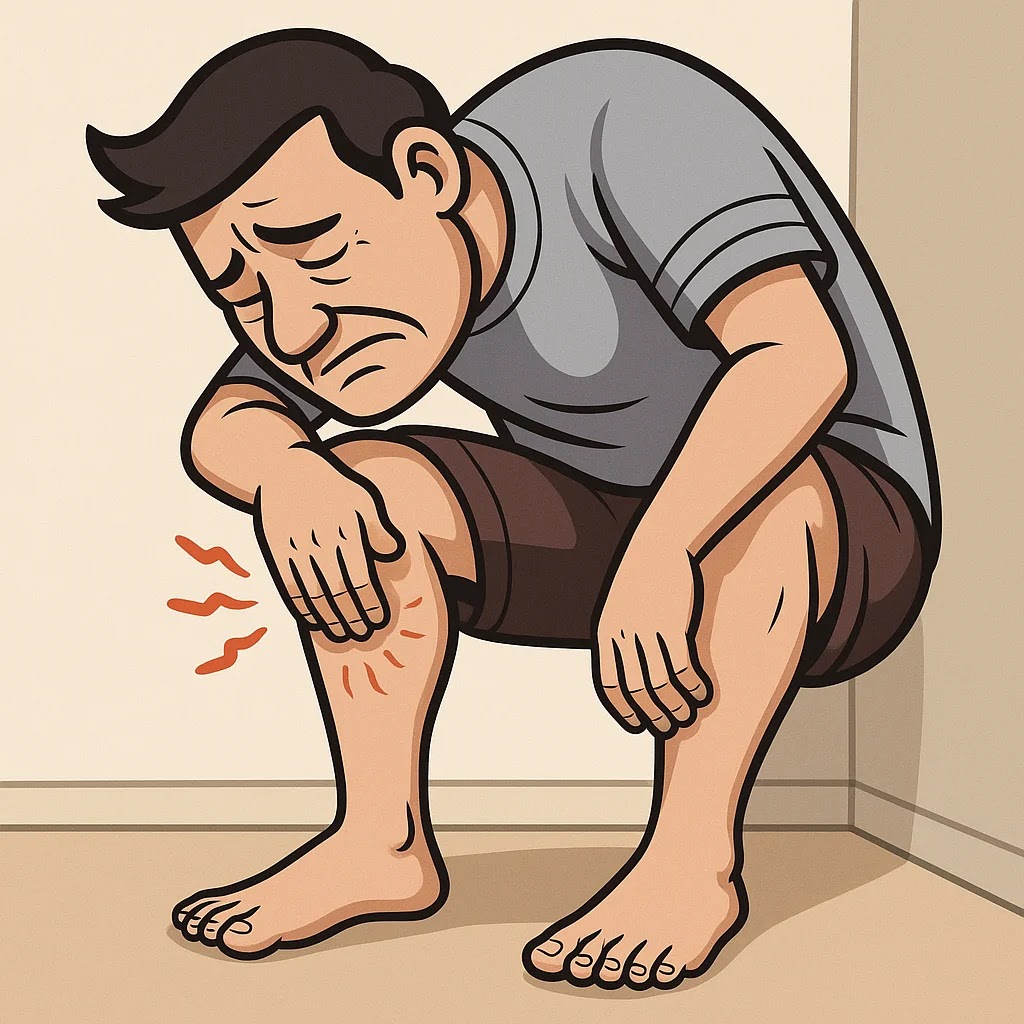
Not long before writing this, I developed pain, numbness, burning sensations, and sharp pins-and-needles in both feet.
It started suddenly in one foot, and by the next morning, the other foot had the exact same symptoms. Soon after, I began feeling similar sensations in random areas across my body, each with varying levels of discomfort.
The pain from those pin-prick sensations was unlike anything I had experienced before. It was intense enough to make me anxious and, more importantly, to pick up the phone and book a doctor’s appointment straight away.
That’s not something I normally do. I’m usually the type to wait things out, but this felt different.
So what was I Experiencing?
Those pin-prick sensations turned out to be the early signs of Diabetic Peripheral Neuropathy.
My understanding of it, in simple terms, is this: diabetes affects the small blood vessels in the body. These are the vessels that supply oxygen and nutrients to areas close to the skin, where many nerves are located. When that supply is reduced, the nerves begin to suffer.
(This is just my own understanding, not a medical explanation.)
Looking back, those sharp sensations were my body’s early warning system. Thankfully, I paid attention.
Background, who am I to advise you now?
I had been pre-diabetic for about a year before becoming a Type 2 diabetic during the Covid period in 2020.
Since then, I’ve dealt with the usual challenges that come with it, daily medication, changes to diet, ongoing fatigue, and brain fog. One thing I didn’t expect was how much it would affect my ability to make decisions. Whether that’s linked to the brain fog or not, I’m not entirely sure, but it’s something I’ve definitely noticed.
Even with all of that, nothing compared to the impact of Peripheral Neuropathy.
I knew it was a possible complication of diabetes, but I assumed it was something I wouldn’t have to deal with until much later in life. Experiencing it in my late 40s was a major wake-up call.
Pill Remedies for Peripheral Neuropathy
Like most people, I started by looking for a simple solution.
I went down the usual route, searching for medications, supplements, and anything that might help. There’s no shortage of advice out there, but a lot of it felt like guesswork or, in some cases, outright nonsense.
Most medical guidance pointed towards Vitamin D and B12 deficiencies, along with pain relief medication to manage symptoms. My blood tests showed that B12 wasn’t an issue, and high-dose Vitamin D didn’t seem to make any noticeable difference.
As for painkillers, I wasn’t comfortable relying on them long-term. They might mask the symptoms, but they weren’t addressing the cause.
That’s when I started thinking differently. Instead of trying to block the pain, maybe I needed to improve circulation.
Circulation Boosters
Once I focused on circulation, I started looking into devices that might help.
There were plenty of circulation boosters available online, most priced over €100, but the reviews were mixed. Some people swore by them, while others were completely dismissive. It made it difficult to know what to trust.
Eventually, I came across the Revitive Circulation Booster. At around €375 at the time, it was noticeably more expensive than most of the others, which made me cautious.
I spent time looking beyond just Amazon reviews, checking forums, blogs, and other sources to get a better sense of real-world results. While there were negative opinions, the overall feedback seemed more positive than not.
In the end, I decided to take the chance and ordered one.
Revitive, Finally Relief from Peripheral Neuropathy Pain
Any scepticism I had about the Revitive Circulation Booster disappeared the first time I used it. I’ll go into more detail on how I used it further down, but my initial reaction was simple, I felt something happening straight away.
After a few days, I noticed a difference. My feet felt stronger, and the PN symptoms were less noticeable. It wasn’t a cure, but it felt like I had finally found something that was helping.
I’m not going to get into the technical explanation of how it works here, you’re better off reading that from the manufacturer if you’re interested. I can only speak from my own experience, and early on, it seemed to be doing exactly what I needed it to do.
At the time, I chose one of the higher-end models with the digital display (shown below). There is also a cheaper ProHealth version. I haven’t used that one myself, so I can’t compare directly, but it likely offers many of the same core features.
I’m at a stage now where I don’t mind paying a bit extra for features that make something easier to use day to day, but that’s a personal choice.
Baby Steps in the Beginning
I had to start low and build up gradually over the first few weeks to get used to the sensations. Even so, within a few days my PN symptoms were becoming less noticeable, and my ankles and calves were starting to feel stronger. I even noticed the difference just walking around the house.
I wrote this post about a month after first using the device. By then, I had settled into one 30-minute session a day to maintain those early improvements.
The sensations themselves aren’t painful, but if you push the settings too high too quickly, your muscles can contract quite strongly. My advice would be to take your time, build up slowly, and adjust down if anything feels uncomfortable.
There’s no need to rush. Even at lower settings, you’re still getting benefit from using it consistently.

My First Impressions
My first impression was that the unit felt lighter than I expected, which initially made me question the build quality. That didn’t last long once I started using it.
The sensations were much stronger than I anticipated, reaching right up into my calves. It definitely felt like something was happening, even on lower settings in the beginning.
One thing I noticed straight away was how easy it was to use. Being able to charge it and use it without being tied to a socket made it far more convenient than some of the other units I had looked at.
The rubber surface underfoot was comfortable, although I did find myself adjusting my feet slightly during use as the pulses kicked in. The remote control was also a useful addition, especially once you’re settled and don’t want to keep leaning forward to adjust the settings.
Overall, my early impression was positive, mainly because I was finally starting to feel some relief in my feet, along with a noticeable difference in my lower legs.
How I tested the Revitive
The first thing I did was charge the unit for about two hours. I’ll admit, I was impatient to find out whether I had wasted my money or not.
When I started using it, I increased the intensity gradually, a couple of clicks at a time. By the time I reached level 20, the sensations were already very strong, much stronger than I expected. At that stage, I couldn’t imagine ever reaching the higher levels often mentioned for circulation.
What I didn’t realise at the time was how much of that was down to muscle weakness. As the days went on, and I kept using it, those higher settings became more manageable.
In the beginning, I used it twice a day for 30 minutes, with a few hours in between sessions. Within a few days, I was already reaching higher levels and becoming more comfortable with the changing sensations.
One thing I noticed early on was how the intensity shifts during a session. It comes in waves, strong for a few seconds, then easing off, and repeating. That variation actually makes it easier to tolerate over time.
At the time of writing, I can now use much higher settings comfortably, but that didn’t happen overnight. It built up gradually with consistent use.
One thing I’ve also learned is that if you stop using it for a while, you lose that tolerance and have to build back up again. I’ve had to do that myself after taking a break, so it’s something to be aware of.

The Underside of the Revitive
Out of curiosity, I flipped the unit over to see how it was built. It’s actually very simple underneath, just four grips to keep it stable, along with pivot points that allow your feet and muscles to move naturally during use.
There’s nothing overly complicated about it, which I liked. It felt more practical than over-engineered.
(I’ve hidden the barcode in any images for obvious reasons.)

Built-In Tens Function
The Revitive also includes a port for TENS patches, allowing you to target pain in other areas such as your back, shoulders, or knees.
I haven’t personally used this feature yet, as my focus has been on foot circulation. I already own a separate TENS machine, so I haven’t had a reason to explore it further.
That said, it’s a useful extra to have if you don’t already own one.
A Few Minor Issues I Noticed
I didn’t come across any major problems with the unit, but there were a couple of small things worth mentioning.
On carpet, the machine can slowly move away from your chair during use. I usually just pull it back into position with my feet between cycles. It’s not a big issue, and something like a rubber or yoga mat would probably solve it completely.
You might also find that contact isn’t as strong if your feet are very dry. I tend to use the Revitive after workouts, so I don’t notice this much, but a quick wipe with a damp cloth can help.
I tried Aloe Vera moisturiser after seeing it mentioned in a review. It did improve contact slightly, but my feet kept sliding around, so I didn’t stick with it. Personally, I don’t think conductive gels are necessary.
A Few Thoughts from My Own Experience
If I’m taking advice on something like this, I want it from someone who has actually been through it.
As someone living with Type 2 diabetes and Peripheral Neuropathy, I’ve learned that managing this condition is about consistency and awareness. The symptoms can escalate quickly if ignored, so taking action early really matters.
The Revitive isn’t a cure, but in my experience, it can play a useful role in managing symptoms and helping you stay ahead of things, especially when combined with better habits around diet, movement, and routine.
Peripheral Neuropathy affects the extremities first, particularly the toes and feet, so it makes sense to focus attention there. The goal, at least for me, has been to manage the condition rather than let it progress unchecked.
Who Might Benefit from Using It
From my own experience, this type of device makes the most sense if you’re dealing with circulation issues in your feet or legs, particularly if Peripheral Neuropathy is part of that.
It may also suit people who spend long periods sitting, or those who feel their lower legs aren’t getting much movement day to day.
I wouldn’t say it’s for everyone, but if your situation is similar to mine, there’s a good chance you’ll notice some benefit from using it consistently.
If cost is a concern, it’s something that could be shared within a household rather than used by just one person.
A Few Words of Caution
It’s worth mentioning that this type of device isn’t suitable for everyone.
According to the manufacturer, you should avoid using it if you:
- have a pacemaker or similar implanted device
- are pregnant
- are being treated for, or have symptoms of, Deep Vein Thrombosis (DVT)
If you’re unsure, it’s always best to check with your doctor before using anything like this.
Revitive Buyers Remorse?
This is something people often search for, so it’s worth addressing.
Personally, I haven’t regretted buying it. The price did concern me at the start, but the relief I experienced after using it consistently made it worthwhile for me.
That said, it’s not a one-time fix. You need to keep using it regularly to maintain the benefits. When I stop, I notice the difference and have to build back up again.
For me, it’s become another tool I use to manage the condition, rather than something I rely on as a complete solution.
Final Thoughts
I had my doubts at the start, mainly because of the price, but for me, it turned out to be worth it.
If you’re dealing with Peripheral Neuropathy, you’ll know how frustrating it can be trying different things with no clear results. This was one of the few things that made a noticeable difference for me, especially when used consistently.
That said, it’s not a cure. It’s something I’ve come to rely on as part of managing the condition, alongside everything else that goes with it.
If this post has helped you in any way, I’d genuinely like to hear your experience in the comments.
All the best,
David
Affiliate Note
This post contains Amazon affiliate links below. If you choose to buy through them, I may earn a small commission at no extra cost to you.
I only recommend products I’ve personally used or genuinely believe are worth considering.
Update: Additional Relief for Cold Feet
After writing the original post, I noticed another issue alongside the PN pain — a squeezing, contracting sensation in the toes of my left foot while sitting down. It felt like poor circulation and was difficult to ignore. Even warm slippers didn’t help, and this was during the summer, so I knew winter would be worse.
I started looking for something simple that I could use while sitting down in the evenings. Eventually, I came across a foot cast sock, and it turned out to be surprisingly useful.
I searched for anything I could wrap around my foot while sitting down watching TV. I could not find anything suitable until I eventually came across a Foot Cast Sock on Amazon UK. Foot Cast Sock on Amazon Ireland here.
Affiliate links – I may earn a small commission if you buy, at no extra cost to you.
I originally ordered an XL, which was far too big. I then tried a size L, which fit much better, and ended up buying a second one.
For reference, I’m a UK size 11, and the L is still slightly loose, so it may be worth sizing down. They don’t have grips underneath, so they’re not suitable for walking around, but for keeping your feet warm while sitting, they worked well for me.
If you’re dealing with similar symptoms, they might be worth trying.
A Quick Medical Check-Up Is Worth It
Looking back, this is something I probably should have emphasised earlier.
If you’re experiencing symptoms of Peripheral Neuropathy, it’s worth getting checked by your doctor and having basic blood tests done. It can help rule out things like vitamin deficiencies or other underlying issues that might need attention.
A device like the Revitive can be a useful aid, but it shouldn’t replace proper medical advice. Even just having that initial check-up can give you peace of mind and a clearer starting point.
Walking and Movement Made a Difference for Me
You’ve probably heard the advice about getting regular exercise, and like most people, I found it hard to stick to at times.
I used to rely on my rowing machine, but I struggled to stay consistent during the week. A simple suggestion from another diabetic changed that — instead of forcing long sessions, just walk daily.
Even 5–10 minutes is better than nothing.
What I Started Doing
I went back to using my treadmill and kept things simple:
- steady walking pace (around 5.5–5.7 km/h)
- slight incline (around 2.5)
- no pressure to overdo it
I originally stopped using it because the belt slipped, but after opening it up and tightening the drive belt, it worked perfectly again.
What I Noticed
After a few days of consistent walking:
- my symptoms felt less intense
- my legs felt more active
- I generally felt better, both physically and mentally
I won’t pretend it’s a cure, but movement clearly plays a role. It makes sense — you’re improving circulation and giving your body a better chance to function properly.
Keeping It Practical
I’m not a big fan of walking outdoors, but I’ve learned to just get on with it. Having music or TV on in the background makes it much easier.
If you prefer getting outside, a brisk walk where you push yourself slightly will likely give you more benefit than a slow stroll.
For me, bringing regular walking back into my routine was one of the simplest things that actually helped.
Related Posts
If you’re using a Fitbit while exercising and finding that you’re getting a sweat rash under the strap, my post Fitbit Rash and Irritation: My Experience & How I Solved It should help you.
I also have a post Smart Amazon Health & Fitness Products That Actually Help where you may find some Health & Fitness products to help you on your journey.
Update After a Few Months of Use
After using the Revitive consistently for a few months, I wanted to add a quick update.
I’m still seeing the same overall benefits, even if I miss the occasional day. For me, one 30-minute session a day has been enough to maintain the improvements in my feet and calves, and it’s easy to fit in while watching TV.
Battery vs Mains Use (Something I Noticed)
I tend to use the device in battery mode rather than plugged in. After a while, I began to notice that the sensations felt slightly weaker after a few sessions without recharging.
At first, I wasn’t sure if it was just me, but after using it again with a full charge, the difference was noticeable.
Since then, I’ve made a habit of recharging it more regularly to keep the intensity consistent.
It’s a small thing, but worth being aware of if you’re using it frequently.
Incrediwear Neuropathy Compression Socks
Alongside the Revitive, I started looking for something that could help when I was sitting still or lying in bed, times when circulation tends to slow down.
After a lot of searching, I came across Incrediwear Circulation Socks. I was already using their knee sleeves for exercise and found them good quality, so I decided to try their socks as well.
What I Tried
I ordered both the ankle and crew versions to test them out. At around €25 a pair, they’re not cheap, so I wanted to see if they were actually any different from regular socks.
My Experience
They did make a noticeable difference for me.
I started wearing them in the evenings and in bed, and I found my feet stayed warmer and more comfortable overnight. I still used the larger sock cover at times, especially on colder evenings, but the combination worked well.
They do feel slightly unusual when you first put them on, possibly due to the material, but it’s not uncomfortable. After a short while, you don’t really notice it.
How I Use Them Now
- ankle socks → at home and in bed
- crew socks → occasionally outdoors
- regular socks → during work when I’m active
I ended up buying several pairs so I could rotate them easily.
A Quick Note
I have no affiliation with Incrediwear. I’ve been buying their products for years and simply wanted to share what worked for me.
If you’re dealing with similar issues, they might be worth looking into alongside other approaches.
A Quick Note on Cheaper Alternatives
At one point, I noticed someone used one of my links and chose a much cheaper foot massager instead of the Revitive.
That’s completely fair, not everyone wants to spend more upfront.
However, I later saw that the item was returned shortly afterwards. I don’t know the exact reason, but it reinforced something I had already suspected when I was researching these devices.
There’s a big difference in quality and performance between models in this category.
That doesn’t mean the most expensive option is always the best, but it’s worth being cautious about going too cheap, especially when you’re relying on something for consistent relief.
As always, it comes down to what works for you, but it’s something I thought was worth mentioning.
Update After 12 Months of Use
I thought it would be useful to share how things looked a full year after buying the Revitive.
Over that time, I had two periods where the PN symptoms came back. One was mild, the other more noticeable, and both were a reminder of how quickly things can slip.
What Seemed to Trigger It
Looking back, a few patterns stood out:
- my blood sugar levels were likely higher than normal
- I was fatigued and run down from work
- my diet had slipped for more than just a few days
- I wasn’t exercising consistently
- I had stopped using the Revitive regularly
It wasn’t one single cause, it was a combination of things.
What Helped Me Get Back on Track
To bring things back under control, I focused on a few basics:
- using the Revitive more frequently again (twice daily at first)
- improving my diet
- reintroducing regular movement, even short sessions
After a number of days, things started to settle again, and I gradually went back to a single daily session once I felt more comfortable.
What I Took from It
For me, this reinforced one simple point:
Consistency matters.
The Revitive helps, but it works best as part of a routine. When I let everything slip at once, symptoms followed. When I brought those habits back, things improved again.
It’s not about perfection, just staying on top of things as best you can.
Update: A Setback and What I Learned
A few months after my 12-month update, I slipped again with diet and exercise.
A busy period at work and general fatigue made it easy to fall out of routine, and unfortunately, the PN symptoms came back stronger than before, along with a few new sensations.
What Happened
To get things back under control, I went back to:
- using the Revitive twice daily
- increasing my walking again
In pushing things a bit too far, I ended up with blisters on one foot after a few days of treadmill use. That forced me to slow things down and pay more attention to foot care.
What Helped
I used simple dressings to protect the area and started soaking my feet with Epsom salts, which helped the recovery process.
Instead of using a full bath, I switched to a basic foot bath, which was far more practical.
I also tried metatarsal pads to deal with some pressure issues in the ball of my foot. They worked reasonably well for walking and light use, though I wouldn’t rely on them for anything more intense.
What I Took from It
This was another reminder that pushing too hard, too quickly can backfire.
There’s a balance between doing enough and overdoing it, especially when you’re trying to rebuild consistency after a setback.
For me, it reinforced the importance of pacing, routine, and paying attention to early warning signs.
What I Learned About Early Warning Signs
From my own experience, Peripheral Neuropathy tends to show up in the feet first before spreading elsewhere.
That’s how it happened with me, more than once.
Looking back, those early sensations were a warning that something wasn’t right, usually tied to a combination of diet, lack of movement, or general fatigue.
When I paid attention and made changes early, things were easier to manage. When I ignored it, symptoms escalated.
For me, it became less about reacting to the pain and more about recognising it as a signal to adjust something in my routine.
A Quick Thought on Heat vs Real Solutions
I’ve had conversations with people who rely on heat, like hot water bottles, to deal with symptoms.
And to be fair, they do provide temporary relief. I use them myself at times, especially on colder nights.
But in my experience, they don’t address the underlying issue.
What seemed to make more of a difference was a combination of:
- regular movement
- improving circulation
- staying consistent with whatever routine I had in place
Heat can be part of that, but on its own, it’s more about comfort than long-term improvement.
For me, it worked best alongside everything else, not instead of it.
Staying Consistent (The Hard Part)
If I’m honest, this has been the biggest challenge.
Life gets busy, routines slip, and it’s very easy to fall out of the habit of using the Revitive consistently. I’ve gone through periods, especially around Christmas and busy work stretches, where I didn’t keep it up properly, and each time, the symptoms crept back in.
When I go back to using it regularly, things improve again. That pattern has repeated itself more than once.
Where I Am Now
Over time, my neuropathy has progressed to the point where I now need medication to help manage the nerve pain.
That’s not something I expected when this all started, but it’s the reality of living with it.
If you’re at an earlier stage, the best advice I can give, based on my own experience, is to stay consistent with whatever helps you, whether that’s movement, better habits, or tools like the Revitive.

What I’ve Learned
This isn’t something that gets fixed overnight.
It’s about managing it over time:
- staying active where possible
- keeping an eye on diet
- using tools that support circulation
- not ignoring early warning signs
The Revitive has been one of those tools for me. It hasn’t solved everything, but it has helped, especially when I’ve used it consistently.
A Final Thought
This condition can be frustrating, especially when it feels like you’re going backwards.
But from my experience, it’s not about perfection, it’s about staying on top of things as best you can.
If you’ve read this far, thank you. I hope something in here has helped, even in a small way. David

Revitive Models (UK & Ireland Links)
If you’ve made it this far and want to check current prices or compare models, I’ve listed them below.
There are a few different options available depending on your budget and what features you want.
Newer Model Option
Revitive have released an updated model with additional features, including:
- targeted knee therapy
- built-in TENS function
- Bluetooth connectivity with a companion app
It’s more expensive than the others, but may suit you if you want the extra functionality.
Here are my Affiliate links for all devices. My advice, go for the one that suits you best!
Amazon UK The model I went for: Revitive Circulation Booster on Amazon UKThe slightly cheaper version:ProHealth Version on Amazon UKThe new model:New and Improved Revitive on Amazon UK
Affiliate links – I may earn a small commission if you buy, at no extra cost to you.
Amazon Ireland The Model I went for: Revitive Circulation Booster on Amazon Ireland.The slightly cheaper version:ProHealth Version on Amazon Ireland.The new model:New and Improved Revitive on Amazon Ireland.
Affiliate links – I may earn a small commission if you buy, at no extra cost to you.
Products mentioned in this post may also appear in my Amazon Storefront, where I group related recommendations together for easier browsing.
A small note: If you are buying from Amazon anyway, using one of my links is a simple way to support the blog without costing you anything extra. Even if you end up buying something different, I may still receive a small commission. Thanks for considering it.
Prefer a Shorter Read?
This post grew quite a bit over time, so I’ve also broken it into three shorter parts if you’d rather read it that way:
Something New I’ve Been Trying (Early Thoughts)
I’ve recently been experimenting with something a bit different: grounding mats.
I want to be clear from the start, there isn’t a huge amount of solid scientific evidence behind them yet. Some smaller studies and personal reports are positive, but it’s still very much an area where you need to make up your own mind.
If you want a deeper look, I’ve written more about it here: Do Grounding Mats Really Work? My Honest Take.
Why I Tried It
I kept seeing ads for grounding mats and, like most things online, I was sceptical.
After digging into it a bit more, I decided to try one myself, mainly out of curiosity.
My Experience So Far
At first, I noticed nothing.
For the first few days, it felt like a complete non-event, which made me think it was probably just another gimmick.
Then, after about a week, I realised something had changed.
My usual nighttime foot discomfort wasn’t there to the same extent, and I found myself going to bed without socks for the first time in over a year.
Now, I’ll be honest, this also coincided with better consistency using the Revitive and slightly milder weather, so I can’t say for certain what caused the improvement.
Where I Stand on It
At the moment, I’m still cautious.
It could be:
- a genuine effect
- a combination of other improvements
- or even a placebo
But even with that uncertainty, I’ve continued using it to see how things develop over time.
A Practical Note
If you do decide to try one, just make sure it comes with a UK plug so it’s compatible in Ireland and the UK. Some versions are designed for US sockets only.
Grounding Mats (UK & Ireland)
If you want to have a look at similar options, I’ve listed a couple below.
Buy Grounding Mat 1 on Amazon UK. Buy Grounding Mat 1 on Amazon Ireland.
Buy Grounding Mat 2 on Amazon UK. Buy Grounding Mat 2 on Amazon Ireland.
Affiliate links – I may earn a small commission if you buy, at no extra cost to you.
Outside the UK & Ireland?
I know many readers of this post are based outside the UK and Ireland, where my Amazon links may not apply.
If you’ve found this post helpful and would like to support my work, you can do so via the “Buy Me a Coffee” link below. It’s completely optional, but always appreciated.
Thanks again for reading,
David
💬 Got thoughts or feedback? Feel free to leave a comment and let me know how you got on!
About the Author
I’m David Condon, a writer and small business owner from Tralee, Co. Kerry. My main work is in handcrafted woodturning and tuition, but this blog gives me space to explore other interests — practical ideas, reviews, and reflections from day-to-day life.
For more details, see the Note from the Author section below.
💬 Note from the Author
This post was written specially for David Condon Finds. If you enjoyed it, you might also like my other projects:
Phoenix DVD Blog – where I write about DVDs, Blu-rays, and life as a collector
David Condon Woodcraft – my main site focused on woodturning and handmade Irish pieces
If you’d like to support my writing, you can do so through the Buy Me a Coffee button below. It helps keep these side projects going — thank you!
Like what you're reading? You can buy me a coffee — sure it’s cheaper than a pint!

Like what you're reading? You can buy me a coffee — sure it’s cheaper than a pint!
Original content © David Condon Finds — Written by David Condon. Please credit and link if shared.
Original content © David Condon Finds — Written by David Condon. Please credit and link if shared.


Comments
Post a Comment